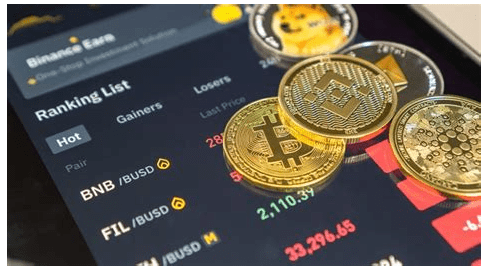
Welcome to the world of cryptocurrency exchanges! With the rise in popularity of digital assets, the number of exchanges where you can buy, sell, and trade cryptocurrencies has also grown. But how do you know which ones are the best? In this article, we will explore some of the top cryptocurrency exchanges in the world that offer a variety of coins, secure trading platforms, and user-friendly interfaces. Whether you are a seasoned trader or just starting out, these exchanges have something to offer for everyone.
Introduction to Cryptocurrency Exchanges
Cryptocurrency exchanges are online platforms where users can buy, sell, and trade various digital currencies, such as Bitcoin, Ethereum, and Litecoin. These exchanges serve as intermediaries that facilitate transactions between buyers and sellers, similar to traditional stock exchanges. However, unlike traditional financial markets, cryptocurrency exchanges operate 24/7 and allow users to trade cryptocurrencies directly with each other.
One of the key features of cryptocurrency exchanges is their ability to provide liquidity to the market. Liquidity refers to the ease with which an asset can be bought or sold without causing significant price movements. In the case of cryptocurrency exchanges, liquidity is essential for ensuring that buyers and sellers can execute their trades quickly and at fair prices. Exchanges achieve liquidity by aggregating orders from multiple users and matching them with suitable counterparts.
Another important aspect of cryptocurrency exchanges is security. Since these platforms deal with valuable digital assets, they are a prime target for hackers and cybercriminals. As a result, reputable exchanges invest heavily in cybersecurity measures to protect their users’ funds and personal information. Some common security features employed by exchanges include two-factor authentication, cold storage of funds, and regular security audits.
In addition to facilitating trading, many cryptocurrency exchanges offer a range of additional services to their users. These may include margin trading, futures trading, lending and borrowing services, and even staking for certain cryptocurrencies. These services can help users maximize their profits and diversify their investment strategies, but they also carry additional risks and complexities that users should be aware of.
Overall, cryptocurrency exchanges play a crucial role in the digital asset ecosystem by providing a platform for users to buy, sell, and trade cryptocurrencies. Whether you are a seasoned trader looking to profit from market fluctuations or a newcomer looking to invest in the future of finance, cryptocurrency exchanges offer a convenient and accessible way to participate in the exciting world of cryptocurrencies.
Key Factors to Consider when Choosing a Cryptocurrency Exchange
When it comes to choosing a cryptocurrency exchange, there are several key factors that you should consider to ensure that you are making the right decision. Below are some important considerations to keep in mind:
Security
One of the most important factors to consider when choosing a cryptocurrency exchange is security. It is crucial to ensure that the exchange you choose has robust security measures in place to protect your funds and personal information. Look for exchanges that offer two-factor authentication, cold storage for funds, and encryption protocols to keep your assets safe from hackers.
Liquidity
Liquidity refers to how easily an asset can be bought or sold without causing a significant change in its price. When choosing a cryptocurrency exchange, it is important to consider the level of liquidity it offers. Exchanges with high liquidity will allow you to quickly buy or sell cryptocurrency at the current market price, while exchanges with low liquidity may result in delays and price fluctuations.
Additionally, high liquidity can also indicate that the exchange has a large user base and is trusted by many traders. This can provide you with more trading opportunities and better prices for your transactions. It is recommended to choose exchanges with high liquidity to ensure a smooth trading experience.
Fees
Another important factor to consider when choosing a cryptocurrency exchange is the fees that they charge for trading. Different exchanges have different fee structures, including trading fees, withdrawal fees, and deposit fees. These fees can vary significantly and may impact your overall profitability when trading cryptocurrencies.
Some exchanges offer discounted fees for high-volume traders or users who hold their native token. It is essential to compare the fee structures of different exchanges and choose one that aligns with your trading strategy and budget. Keep in mind that while lower fees may be attractive, they should not be the only factor to consider when choosing an exchange.
User Interface
The user interface of a cryptocurrency exchange plays a crucial role in your trading experience. A user-friendly interface can make it easier for you to navigate the exchange, place trades, and monitor your portfolio effectively. Look for exchanges that offer intuitive and responsive interfaces, as well as mobile apps for trading on the go.
Additionally, consider the exchange’s charting tools, order types, and trading pairs available. These features can help you make informed trading decisions and execute trades more efficiently. A well-designed user interface can greatly enhance your overall trading experience and make it easier for you to achieve your financial goals.
Overall, when choosing a cryptocurrency exchange, it is essential to consider factors such as security, liquidity, fees, and user interface. By carefully evaluating these key factors, you can select an exchange that meets your needs and provides you with a safe and seamless trading experience in the world of cryptocurrencies.
Top Security Features of the Largest Cryptocurrency Exchanges
When it comes to trading on a cryptocurrency exchange, security is paramount. With hackers constantly trying to access users’ funds, it’s crucial for exchanges to have robust security measures in place to protect their customers. Here are some of the top security features found on the largest cryptocurrency exchanges:
1. Two-Factor Authentication (2FA): One of the most common security features offered by exchanges is two-factor authentication. This adds an extra layer of protection to your account by requiring a second form of verification, such as a code sent to your phone or email, in addition to your password. This helps prevent unauthorized access even if your password is compromised.
2. Cold Storage: Many large exchanges store the majority of their users’ funds in cold storage, which is not connected to the internet. This makes it much harder for hackers to access these funds, as they would need physical access to the storage device. While this may make withdrawals slightly slower, it significantly reduces the risk of a large-scale hack.
3. Advanced Encryption: In addition to two-factor authentication and cold storage, top exchanges also utilize advanced encryption techniques to secure their users’ data. This includes encrypting data both at rest and in transit, making it incredibly difficult for hackers to intercept or tamper with sensitive information. By using strong encryption algorithms, exchanges can ensure that their users’ personal and financial data remains safe from prying eyes.
4. IP Whitelisting: Some exchanges offer the ability to whitelist specific IP addresses, meaning that you can only access your account from approved locations. This prevents unauthorized access from unknown devices or locations, adding an extra layer of security to your account.
5. Regular Security Audits: To ensure that their security measures are up to date and effective, many large exchanges undergo regular security audits conducted by third-party firms. These audits help identify any vulnerabilities in the exchange’s systems and processes, allowing them to be addressed before they can be exploited by hackers.
Overall, the largest cryptocurrency exchanges prioritize security to protect their users’ funds and data. By implementing a combination of two-factor authentication, cold storage, advanced encryption, IP whitelisting, and regular security audits, these exchanges create a secure trading environment for their customers. It’s important for users to also take their own precautions, such as using strong passwords and enabling two-factor authentication, to further enhance the security of their accounts.
Comparison of Trading Fees among the Largest Cryptocurrency Exchanges
When it comes to trading cryptocurrencies, one of the key factors to consider is the trading fees charged by different exchanges. These fees can vary significantly among the largest cryptocurrency exchanges, impacting the overall cost of trading for users.
1. Binance:
Binance is one of the largest cryptocurrency exchanges in the world, known for its low trading fees. The platform offers a standard trading fee of 0.1% for both makers and takers. However, users can get a discount on their trading fees by holding Binance Coin (BNB) in their exchange wallet. The fee discount starts at 25% for the first year, decreasing gradually over the following years.
2. Coinbase Pro:
Coinbase Pro is another popular cryptocurrency exchange, particularly among beginners in the industry. The platform charges a maker-taker fee schedule that ranges from 0.5% to 0.0%, depending on the trading volume. Higher-volume traders can benefit from lower fees, making Coinbase Pro a cost-effective option for those trading in larger quantities.
3. Kraken:
Kraken is a well-established cryptocurrency exchange known for its security and reliability. The platform offers a maker-taker fee schedule ranging from 0.16% to 0.26%, again depending on the trading volume. Kraken also offers fee discounts for high-volume traders, making it an attractive option for those looking to save on trading costs.
4. Bitfinex:
Bitfinex is a popular cryptocurrency exchange with a diverse range of trading pairs. The platform charges a maker-taker fee schedule similar to other exchanges, ranging from 0.1% to 0.2%. However, Bitfinex also implements a volume-based fee schedule, rewarding high-volume traders with lower fees. This can be advantageous for traders looking to minimize their trading costs over time.
In conclusion, when comparing trading fees among the largest cryptocurrency exchanges, it’s important to consider both the standard fee schedule and any discounts or incentives offered by the platform. Each exchange has its own fee structure, and traders should choose the one that best suits their trading style and volume. By understanding the fee schedules of different exchanges, traders can optimize their trading costs and maximize their potential profits in the cryptocurrency market.
The Role of Regulation in the Operation of Cryptocurrency Exchanges
Regulation plays a crucial role in the operation of cryptocurrency exchanges. It provides a framework for these platforms to operate within, ensuring they adhere to certain standards and guidelines. This not only helps protect investors and users but also promotes trust and stability in the market. In this article, we will explore the importance of regulation in the operation of cryptocurrency exchanges and how it impacts their overall functioning.
Regulation helps to safeguard investors and users by setting out rules and guidelines that exchanges must follow. This includes measures to prevent fraud, money laundering, and other illicit activities. By enforcing these regulations, authorities can hold exchanges accountable for their actions and ensure that they are operating in a transparent and ethical manner. This helps to build credibility and trust in the industry, attracting more investors and users to participate in the market.
Furthermore, regulation promotes market stability by reducing the risk of market manipulation and fraud. Exchanges that are regulated are required to implement measures to detect and prevent fraudulent activities, such as wash trading and pump-and-dump schemes. This helps to maintain a fair and orderly market, where prices are driven by legitimate demand and supply factors rather than manipulative practices.
Regulation also promotes innovation and growth in the industry by providing a clear legal framework for exchanges to operate within. This gives investors and users confidence that their funds are safe and protected, encouraging them to engage in trading and investing activities. It also attracts institutional investors and traditional financial institutions who may have been hesitant to enter the market due to regulatory uncertainties.
However, regulation can also pose challenges for cryptocurrency exchanges, particularly smaller or newer platforms. Compliance with regulatory requirements can be time-consuming and costly, requiring exchanges to invest in resources and expertise to ensure they are following the rules. This can put smaller exchanges at a disadvantage compared to larger, well-established platforms that have the means to comply with regulations more easily.
Despite these challenges, regulation is essential for the long-term success and sustainability of cryptocurrency exchanges. It helps to protect investors and users, promote market stability, and foster growth and innovation in the industry. By working together with regulators and policymakers, exchanges can help shape the regulatory landscape to ensure it is balanced and effective, benefiting all stakeholders in the ecosystem.
Originally posted 2025-02-07 18:37:41.